Case Study: Successful Ventilation Louvres Installations in London
Introduction to Ventilation Louvres
Ventilation louvres play a crucial role in maintaining air quality and temperature within buildings. In busy urban environments like London, efficient ventilation systems are essential for both residential and commercial properties. This case study explores some of the most successful ventilation louvre installations in the city, highlighting their impact on functionality and design.
With increasing awareness about air quality, architects and builders are prioritizing the integration of high-performance louvres. These systems not only enhance air circulation but also contribute to the building's aesthetic appeal.
Case Study: Residential Installations
Enhancing Urban Living Spaces
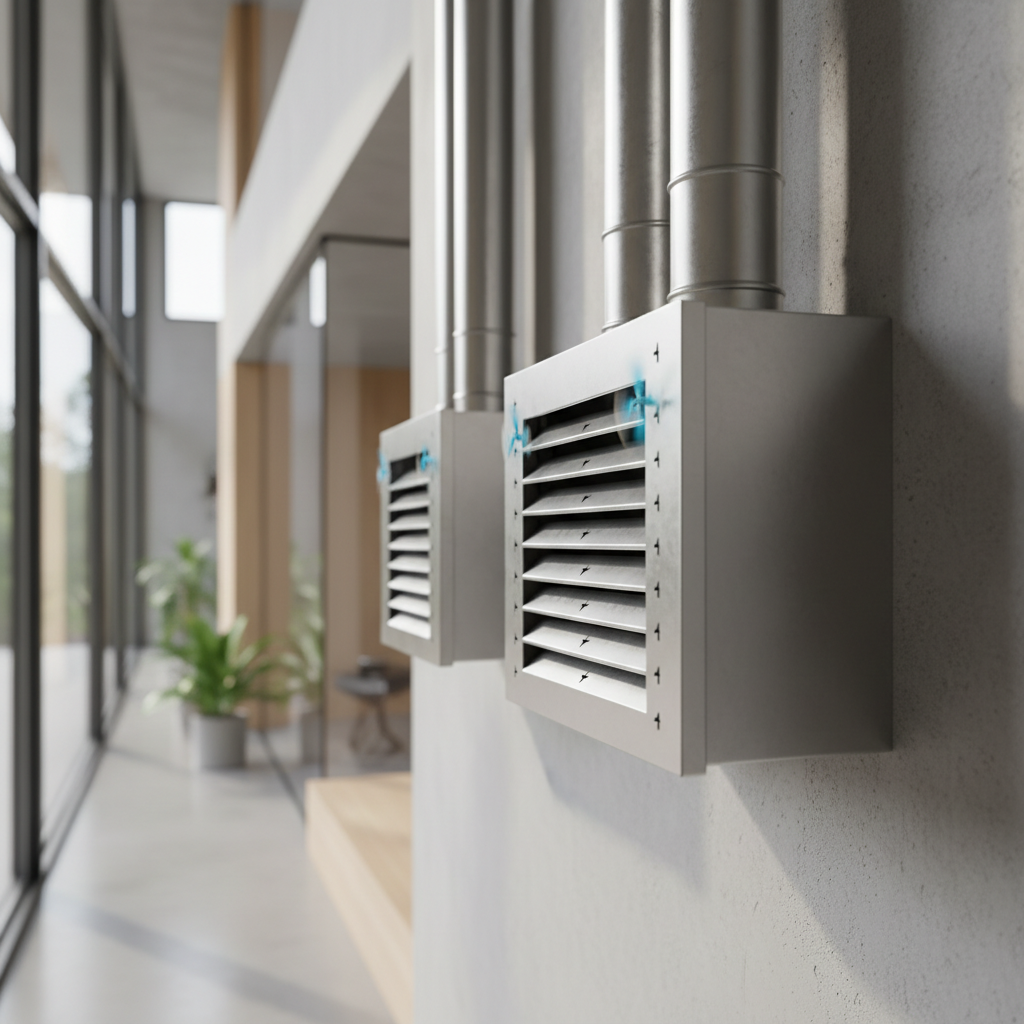
In London, several high-rise residential buildings have adopted state-of-the-art ventilation louvres. These installations ensure that inhabitants enjoy fresh air without compromising on architectural style. Modern louvres are designed to blend seamlessly with building facades, offering an unobtrusive yet effective solution.
One notable installation is in a luxury apartment complex in Canary Wharf. The louvres here are strategically placed to optimize airflow, reducing the need for mechanical cooling systems and thereby lowering energy costs.

Case Study: Commercial Applications
Boosting Workplace Efficiency
In the commercial sector, ventilation louvres have been instrumental in improving workplace conditions. In offices throughout London, these systems enhance air quality, which directly impacts employee productivity and well-being.
A prime example is an office building in the City of London, where bespoke louvre systems have been installed to regulate indoor temperatures effectively. By allowing natural ventilation, these louvres help maintain a comfortable environment, reducing dependence on artificial climate control.

Technical Innovations in Louvres
Adapting to Environmental Needs
Recent innovations in ventilation louvre design focus on adaptability and efficiency. Many systems now incorporate automated controls that adjust the louvres' position based on weather conditions and indoor air quality. This ensures optimal performance and energy conservation.
Moreover, manufacturers are experimenting with materials that enhance durability and reduce maintenance costs, making these systems more appealing to property developers.
Conclusion
The success of ventilation louvres in London underscores their importance in modern building design. By addressing both functional and aesthetic needs, these systems have become a staple in urban architecture. As technology advances, the future holds even more promising developments for ventilation solutions.
By studying these successful installations, architects and builders can gain valuable insights into best practices for incorporating ventilation louvres into future projects, ensuring healthier and more sustainable living and working environments.