Case Study: Successful Ventilation Solutions for London Offices
Introduction
In recent years, the need for effective ventilation solutions in office spaces has become increasingly important. This case study explores how innovative approaches were implemented to enhance air quality in London offices, ensuring a healthier and more productive work environment.

Understanding the Challenge
London's rapidly growing business sector has led to a surge in demand for office spaces. However, many of these spaces face challenges related to poor air circulation and outdated ventilation systems. These issues can lead to discomfort, decreased productivity, and health concerns among employees.
Identifying the Key Issues
The primary issues identified were inadequate airflow, stale air, and inconsistent temperature control. These problems were exacerbated by the dense urban landscape, which often limits natural ventilation opportunities.
Designing the Solution
The solution involved a comprehensive approach that integrated modern technology with sustainable practices. By focusing on both immediate and long-term improvements, the project aimed to create a robust ventilation system.
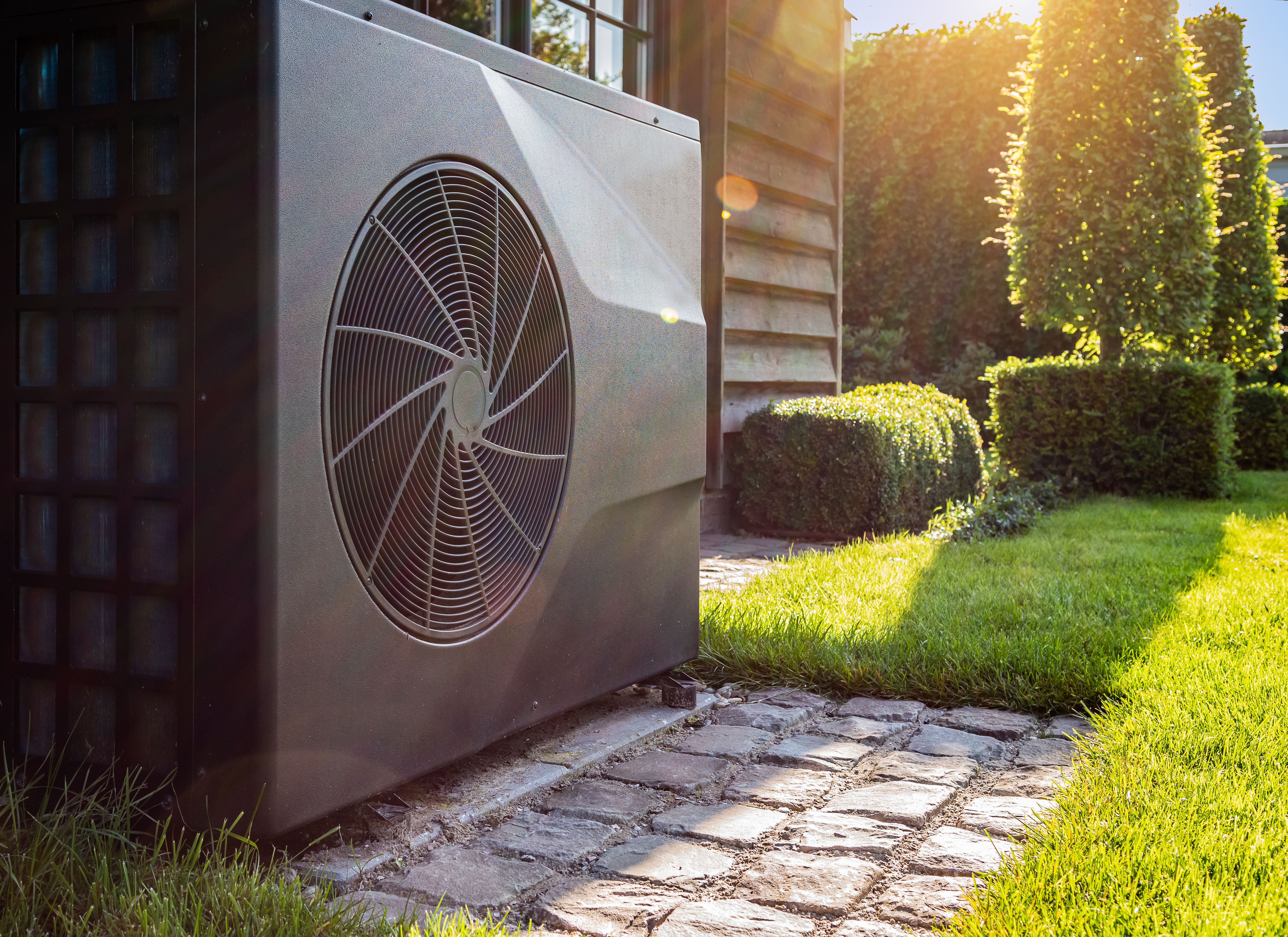
Implementing Advanced Technologies
Advanced technologies such as smart sensors and automated controls were employed to monitor and adjust air quality in real-time. These systems ensured optimal airflow and maintained comfortable temperatures throughout the offices.
Step-by-Step Implementation
The implementation process was carried out in several key phases:
- Assessment: Conducting a thorough analysis of existing ventilation systems and identifying specific areas for improvement.
- Design: Developing customized solutions tailored to the unique needs of each office space.
- Installation: Installing state-of-the-art equipment with minimal disruption to daily operations.
- Monitoring: Continuously monitoring system performance to ensure ongoing effectiveness.

Results and Benefits
The new ventilation systems have resulted in several significant benefits for the London offices. Employees reported increased comfort and productivity, while the buildings experienced reduced energy consumption and lower operational costs.
Positive Feedback from Occupants
Feedback from office occupants highlighted noticeable improvements in air quality and overall workplace satisfaction. Enhanced ventilation has also contributed to better health and well-being, reducing sick leave and boosting morale.
Conclusion
This case study demonstrates the impact of strategic ventilation solutions in transforming office environments. By prioritizing air quality and embracing cutting-edge technology, London offices have set a precedent for sustainable and employee-friendly workplaces.