Common Misconceptions About Ventilation Systems: Debunking Myths
Understanding the Basics of Ventilation Systems
Ventilation systems are crucial for maintaining indoor air quality, but they are often misunderstood. These systems are designed to remove stale air and introduce fresh air, ensuring a healthy environment. Despite their importance, several misconceptions about ventilation systems persist.
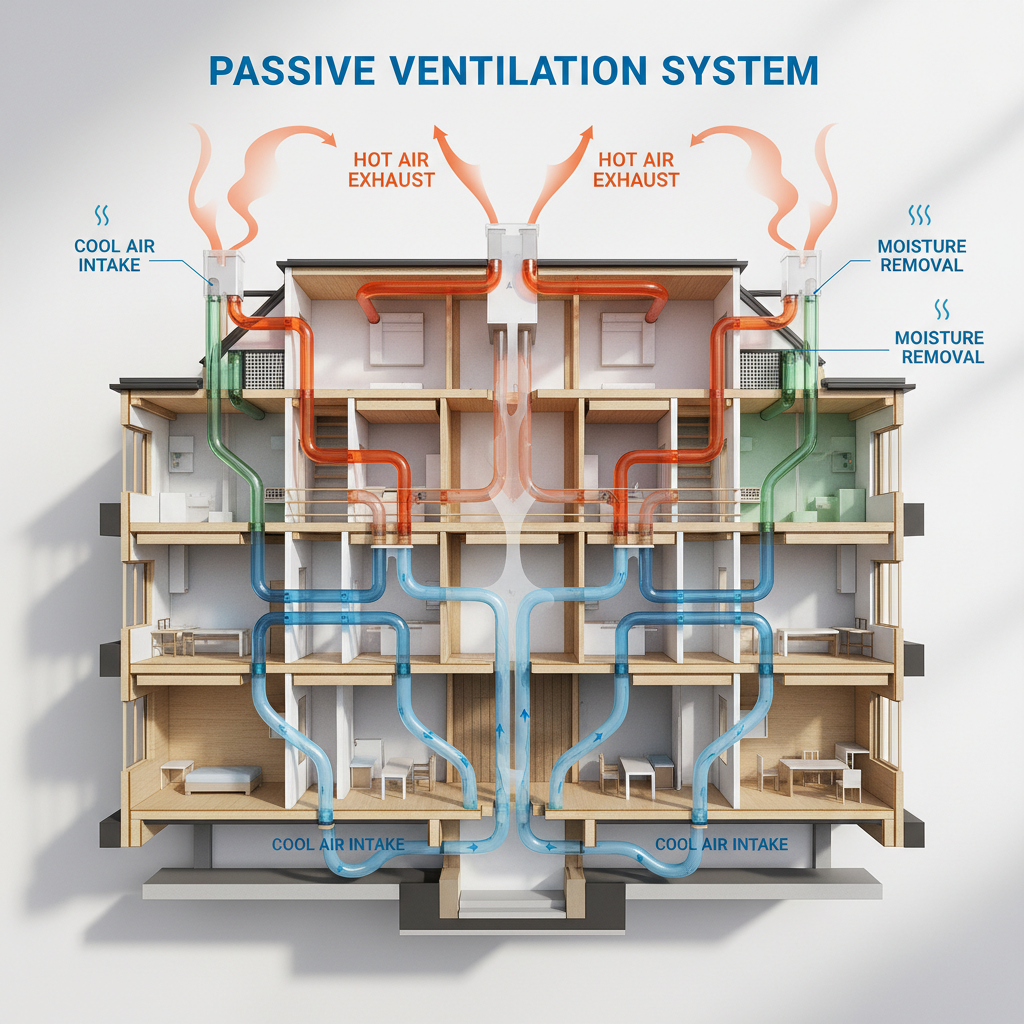
Myth 1: Ventilation Systems Are Only Needed in Large Buildings
One common myth is that ventilation systems are only necessary for large commercial buildings. In reality, proper ventilation is essential for all types of buildings, including homes. Poor ventilation in residential spaces can lead to a buildup of pollutants and moisture, affecting both health and structural integrity.
Myth 2: Opening Windows Is Sufficient for Ventilation
Another prevalent misconception is that simply opening windows provides adequate ventilation. While natural ventilation can help, it often doesn't suffice, especially in areas with high pollution levels or during extreme weather conditions. Mechanical ventilation systems ensure consistent air quality regardless of external factors.

The Role of Energy Efficiency
Many people believe that ventilation systems waste energy. However, modern systems are designed to be energy-efficient. Technologies such as heat recovery ventilators (HRVs) and energy recovery ventilators (ERVs) help maintain comfortable indoor temperatures while minimizing energy loss.
Myth 3: Ventilation Systems Are Noisy
Some assume that ventilation systems are inherently noisy. While older models might have been loud, advancements in technology have resulted in quieter systems. Proper installation and maintenance further reduce any potential noise issues.

Maintenance and Health Benefits
Regular maintenance of ventilation systems is often overlooked, leading to misconceptions about their reliability. Routine checks and filter replacements are simple steps that ensure optimal performance and longevity of the system.
Myth 4: Ventilation Systems Spread Allergens
There's a misconception that ventilation systems can spread allergens throughout a building. In truth, a well-maintained system can reduce allergen levels by filtering out dust, pollen, and other particles, improving overall air quality.
Conclusion: The Importance of Informed Decisions
Understanding the realities of ventilation systems helps in making informed decisions about their installation and maintenance. By debunking these myths, individuals can better appreciate the value these systems bring to both residential and commercial spaces.