Comprehensive Guide to Choosing the Right Ventilation Louvres for Your Building
Understanding Ventilation Louvres
Ventilation louvres are essential components in maintaining optimal airflow in buildings. They help regulate air quality, temperature, and moisture levels, ensuring a healthy and comfortable environment. Choosing the right louvres for your building can significantly impact the efficiency of your HVAC system.
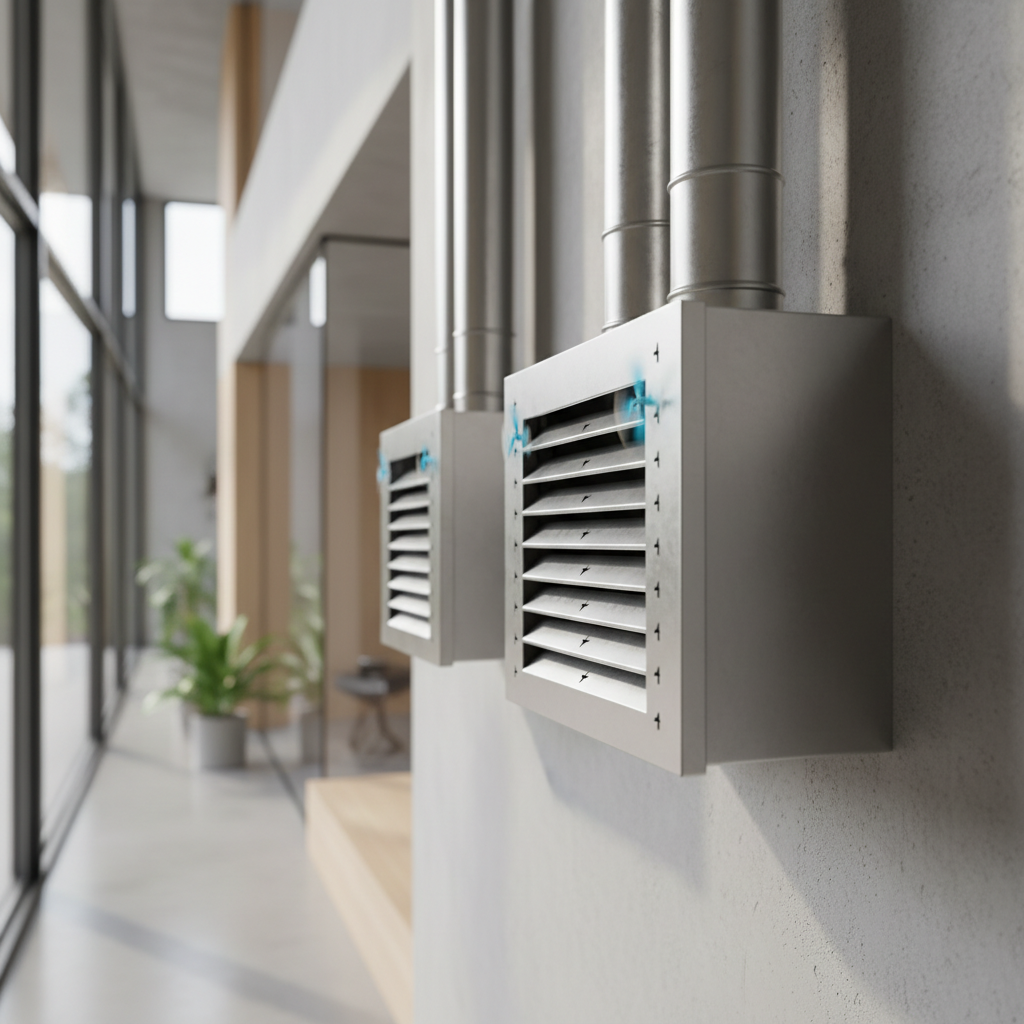
Types of Ventilation Louvres
There are several types of ventilation louvres available, each designed for specific applications. The most common types include:
- Fixed Louvres: These are stationary and provide constant airflow. They are ideal for areas requiring continuous ventilation.
- Adjustable Louvres: These can be controlled manually or automatically to adjust airflow as needed.
- Weather Louvres: Designed to protect against harsh weather while allowing airflow, they are perfect for external use.
Key Considerations in Choosing Louvres
When selecting ventilation louvres, it's essential to consider several factors to ensure they meet your building's needs. Start by assessing the airflow requirements of your space. Calculate the volume of air that needs to be moved to maintain optimal conditions.
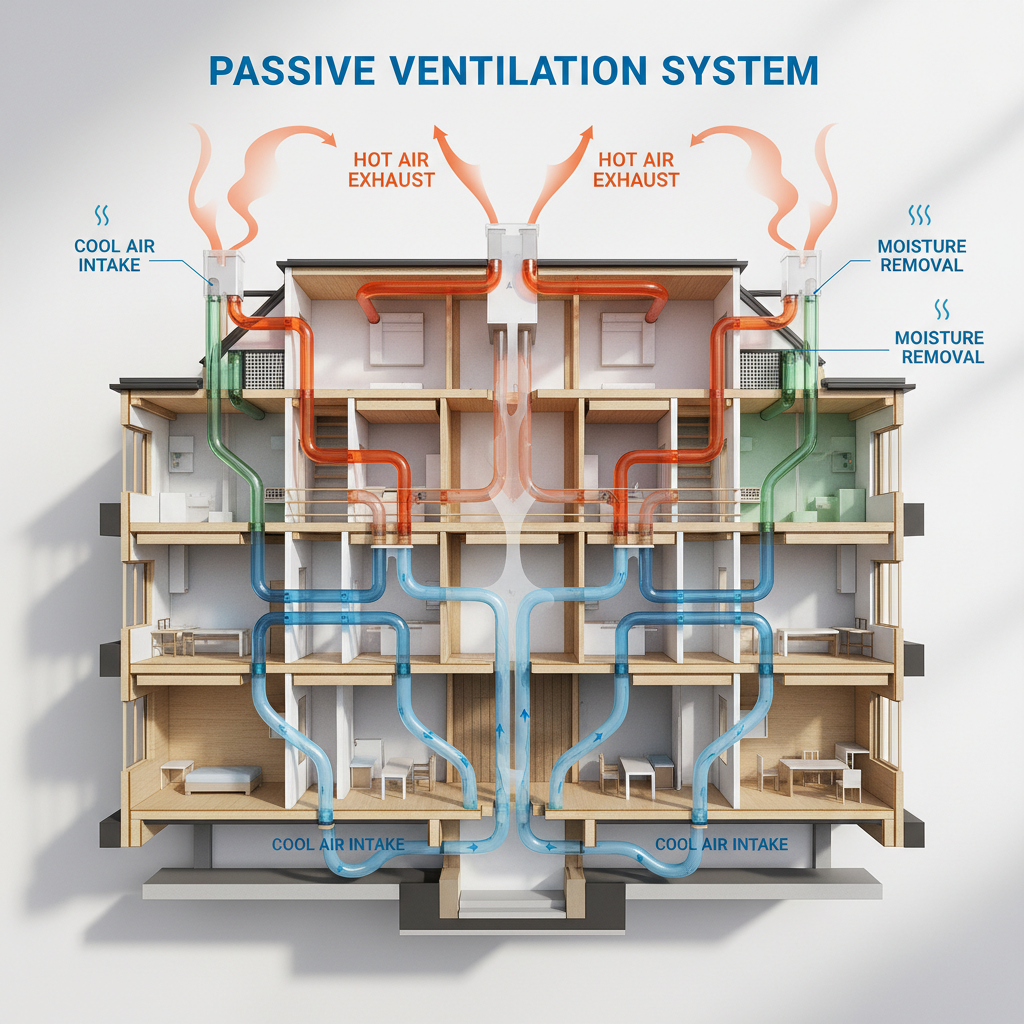
Next, consider the location and climate where the louvres will be installed. Weather conditions can greatly influence the type of louvres you choose. For instance, areas prone to heavy rain might benefit from weather louvres.
Material and Design
The material and design of the louvres also play a crucial role. Common materials include aluminum, steel, and plastic. Each has its own benefits:
- Aluminum: Lightweight and corrosion-resistant, ideal for various environments.
- Steel: Offers strength and durability, suitable for industrial settings.
- Plastic: Cost-effective and resistant to moisture, good for specific applications.

Installation and Maintenance
Proper installation is key to the effectiveness of ventilation louvres. Ensure they are securely mounted and aligned correctly to allow maximum airflow. Regular maintenance, such as cleaning and inspections, will prolong their lifespan and maintain performance.
Cost Considerations
While cost is always a factor, it's important to balance initial expenses with long-term benefits. Investing in high-quality louvres may lead to energy savings and reduced maintenance costs over time.
Consulting with Professionals
Consulting with HVAC professionals can provide valuable insights into the best louvre options for your building. They can perform detailed assessments and recommend solutions tailored to your specific needs.
Conclusion
Choosing the right ventilation louvres involves careful consideration of various factors, including type, material, installation, and cost. By understanding these elements, you can enhance your building's efficiency and create a more comfortable environment for occupants.