Debunking Common Myths About Ventilation Grilles and Louvres
Understanding Ventilation Grilles and Louvres
Ventilation grilles and louvres are essential components in maintaining indoor air quality and comfort. Despite their importance, several myths surround their functionality and effectiveness. Here, we aim to debunk these common misconceptions and provide clarity on the subject.
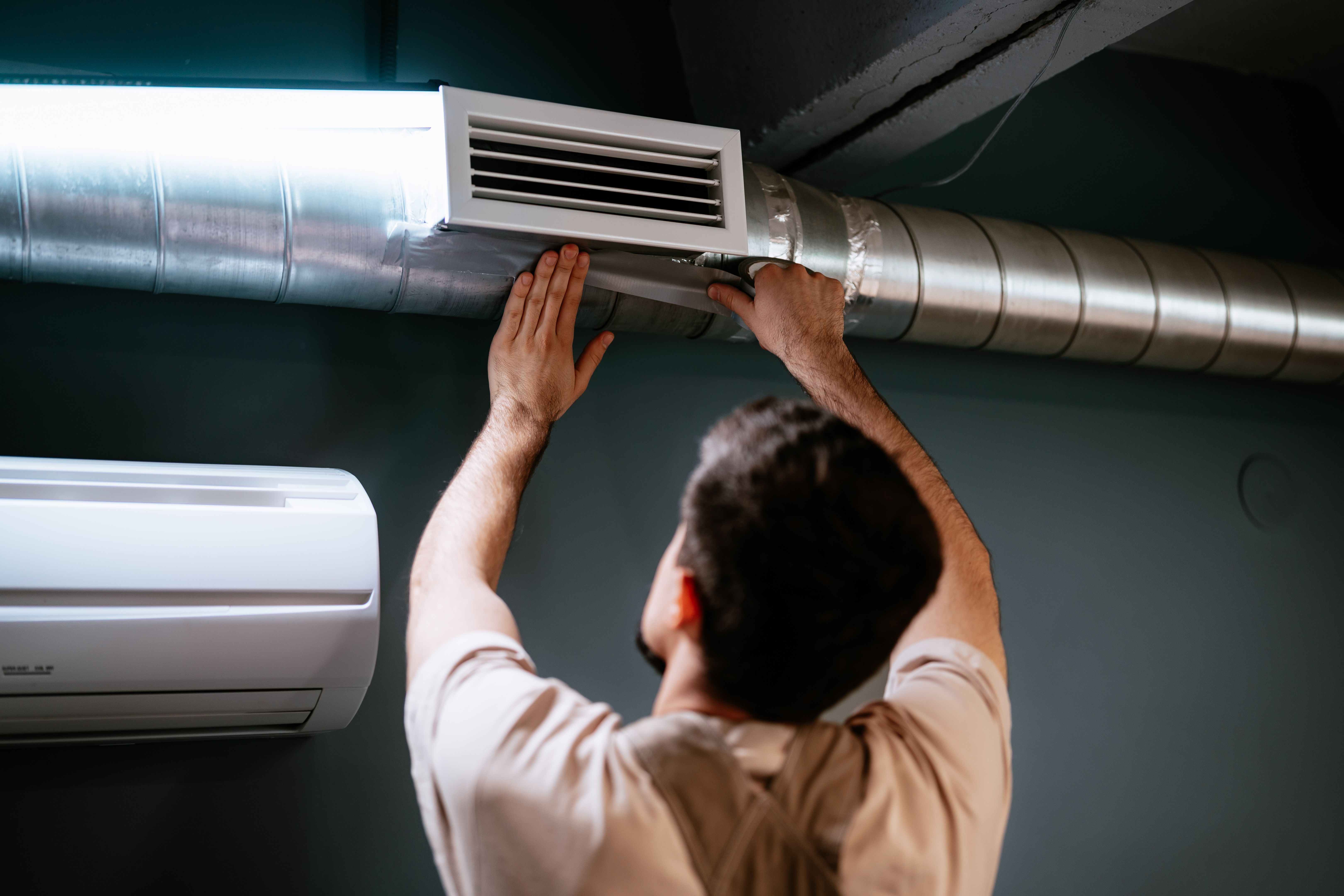
Myth 1: All Ventilation Grilles are the Same
A prevalent myth is that all ventilation grilles serve the same purpose. In reality, grilles come in various designs, each tailored for specific applications. Some are designed for air intake, while others are crafted for air exhaust. Understanding their function is crucial for optimal performance.
Key Types of Grilles:
- Return Air Grilles: Used to draw air back into the system.
- Supply Air Grilles: Distribute conditioned air into the space.
- Exhaust Grilles: Expel air out of the building.
Myth 2: Louvres Only Serve Aesthetic Purposes
Many believe that louvres are merely decorative elements. However, they play a vital role in regulating airflow and protecting against weather elements. Louvres can prevent rain and debris from entering while allowing ventilation.

Some louvres are designed with adjustable blades, enabling users to control the airflow and direction. This functionality makes them an important part of any building's ventilation strategy.
Myth 3: Ventilation Systems are Noisy
Another common myth is that ventilation systems, including grilles and louvres, generate a lot of noise. While poorly designed systems can be noisy, modern technology allows for quiet and efficient operations. Selecting high-quality materials and proper installation can significantly reduce noise levels.
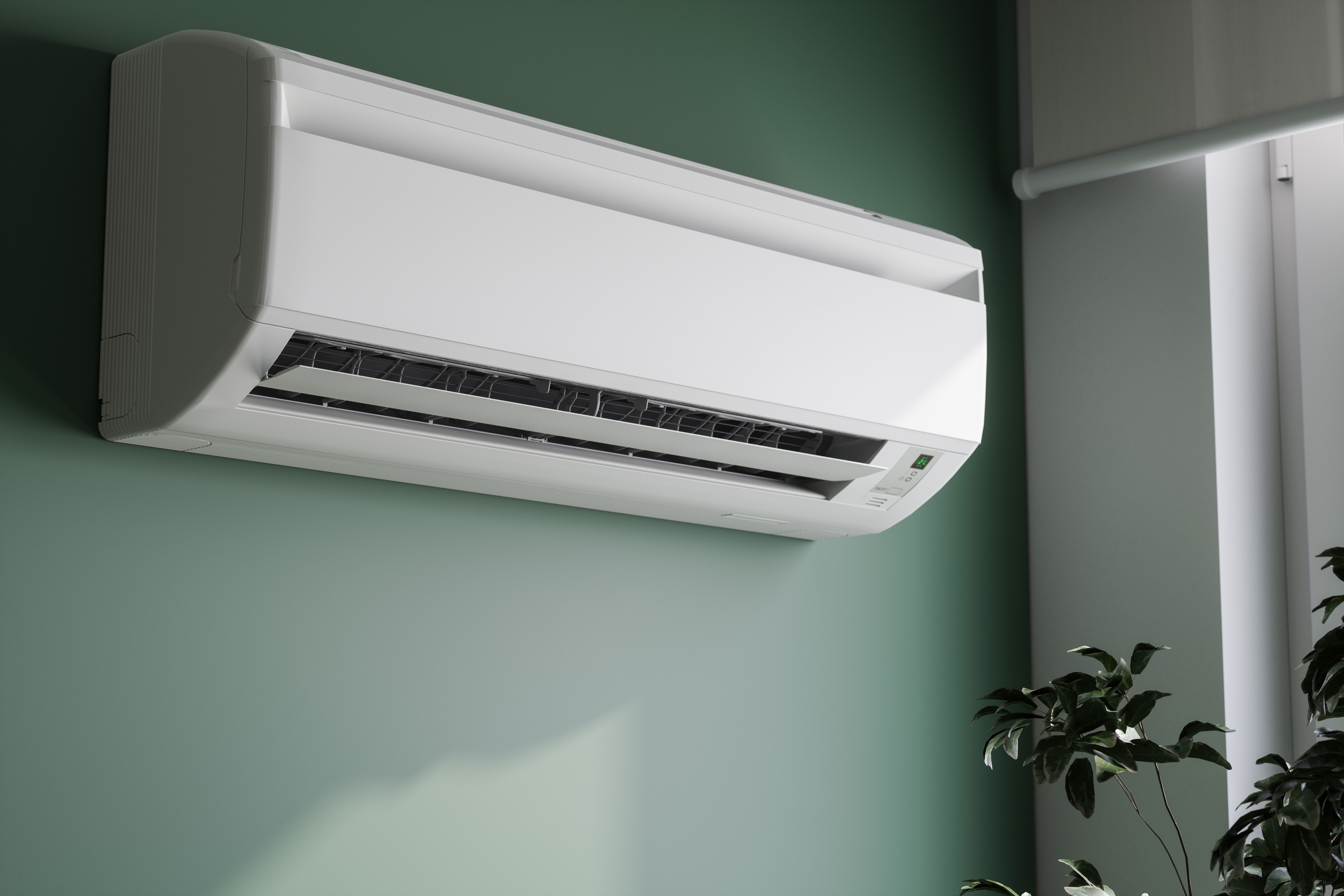
Choosing the Right Ventilation Components
Choosing the right ventilation grilles and louvres requires understanding your building's specific needs. Factors like climate, building design, and intended use should influence your choices. Consulting with professionals can provide insights tailored to your situation.
Considerations for Selection:
- Material: Choose corrosion-resistant materials for durability.
- Design: Select designs that complement the building's architecture.
- Function: Ensure the components meet the required airflow and protection needs.
Myth 4: Regular Maintenance is Unnecessary
Some may think that once installed, these components require little to no maintenance. This is a misconception that can lead to decreased efficiency and poor air quality. Regular cleaning and inspection are crucial to ensure that grilles and louvres function effectively.

By debunking these myths, you can make informed decisions about ventilation systems, ensuring better air quality and comfort in your spaces.