How to Properly Install Acoustic Louvres: A Step-by-Step Guide
Understanding Acoustic Louvres
Acoustic louvres are essential components in sound management, used to reduce noise in various environments. They serve as barriers that allow air to pass while minimizing noise transmission. Proper installation is crucial to maximize their efficiency and functionality.
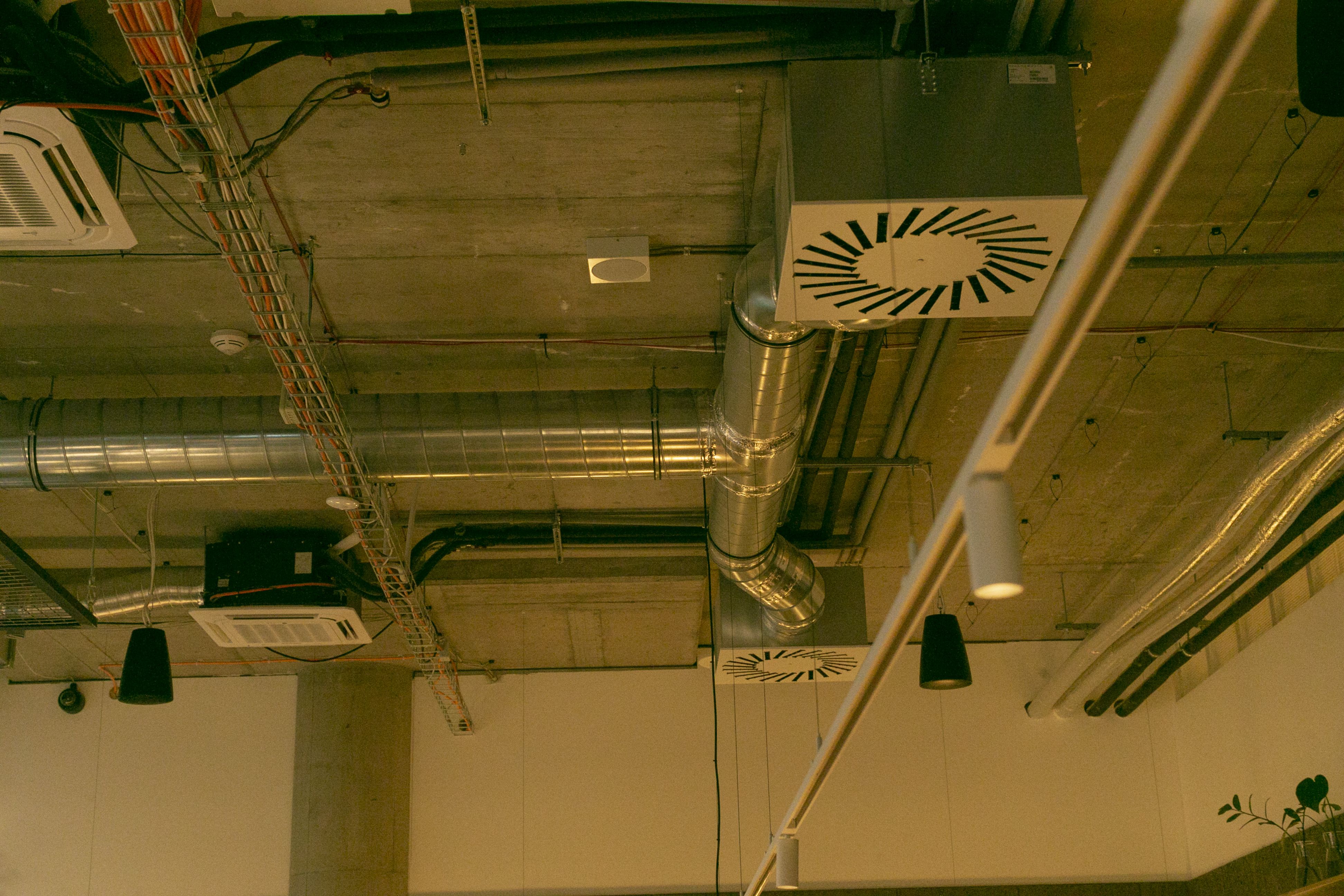
Before diving into the installation process, it's important to understand the basic components and specifications of acoustic louvres. They typically consist of blades designed to absorb sound, and their effectiveness can vary based on material and design.
Preparation and Planning
The first step in installing acoustic louvres is thorough planning. This includes selecting the right type of louvres for your specific needs and ensuring you have all the necessary tools and materials. Consider factors such as location, noise reduction requirements, and environmental conditions.
Before installation, measure the space accurately. This will help in determining the size and number of louvres required. Ensuring that the louvres fit perfectly is vital for optimal performance.

Gathering Materials
Ensure you have the following materials ready before starting the installation:
- Acoustic louvres
- Mounting brackets
- Sealing materials
- Screws and anchors
Installation Process
Follow these steps to install acoustic louvres properly:
Step 1: Mark and Drill
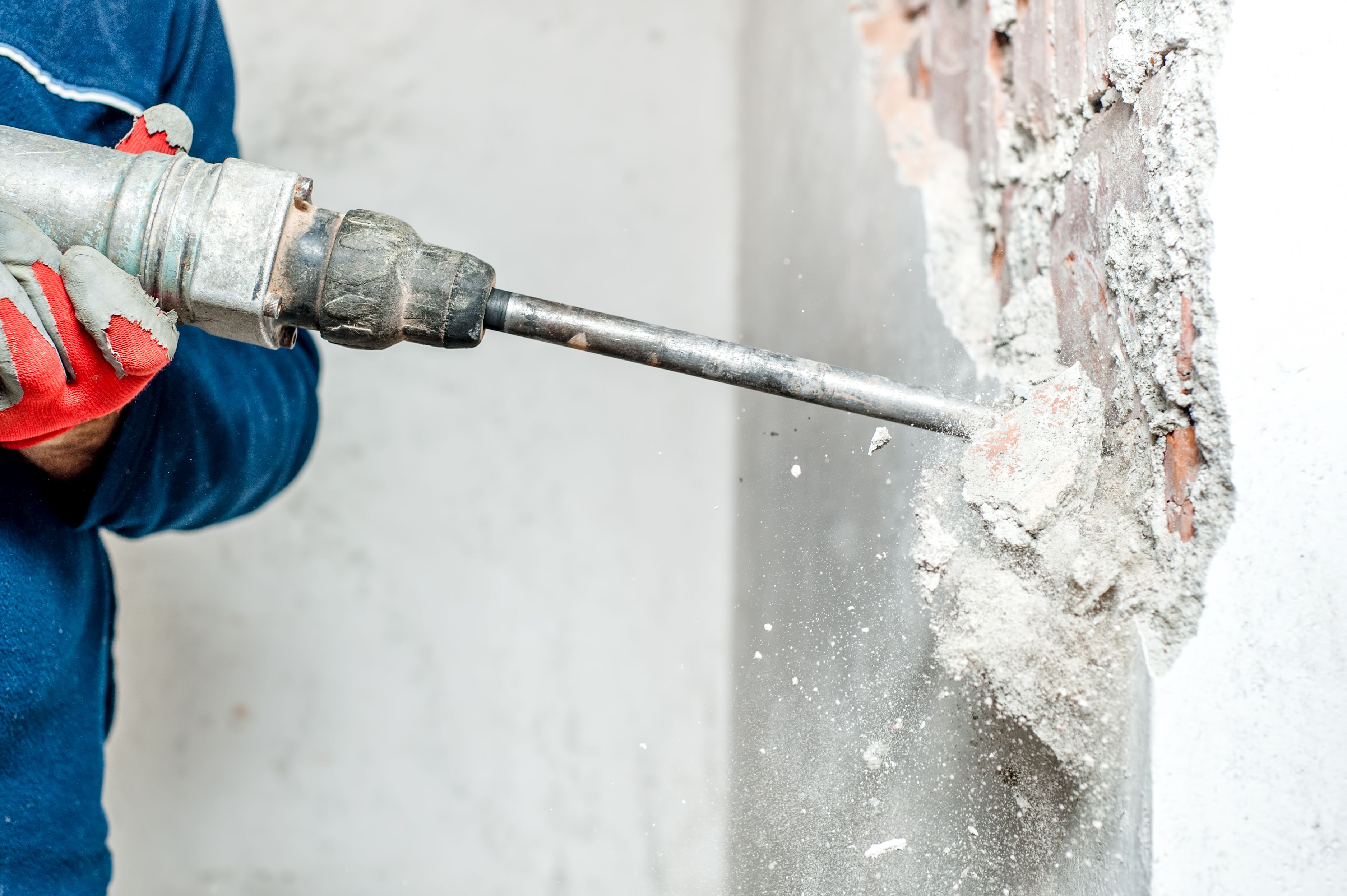
Begin by marking the positions for the louvres using a pencil or chalk. Use a drill to create holes where the brackets will be mounted. Ensure the holes are aligned and at the correct depth to support the weight of the louvres.
Step 2: Attach Brackets
Secure the mounting brackets using screws and anchors. It's essential that the brackets are firmly attached to support the louvres without any wobbling or instability.
Step 3: Install Louvres
Carefully place the acoustic louvres onto the brackets. Double-check that each louvre is level and aligned correctly. Tighten all screws to ensure they are securely fastened.
Finishing Touches
Seal any gaps around the louvres with appropriate sealing materials. This helps in preventing air leaks and enhances the acoustic performance of the louvres.

After installation, inspect each louvre to ensure it is securely mounted and there are no visible gaps or loose components. Regular maintenance checks will help prolong their lifespan and maintain their effectiveness.
Conclusion
Proper installation of acoustic louvres is a straightforward process if you follow these steps carefully. With the right planning and attention to detail, you can significantly reduce noise levels and improve the sound quality of your environment. Remember, the key to success lies in precision and proper sealing.