Innovative Trends in Ventilation Systems: A London Perspective
Introduction to Modern Ventilation Systems
In recent years, the importance of air quality in urban environments like London has gained significant attention. As a bustling metropolis, London faces unique challenges in maintaining clean and healthy indoor air. This has led to the emergence of innovative trends in ventilation systems designed to enhance air quality, energy efficiency, and overall comfort.
Smart Ventilation Technology
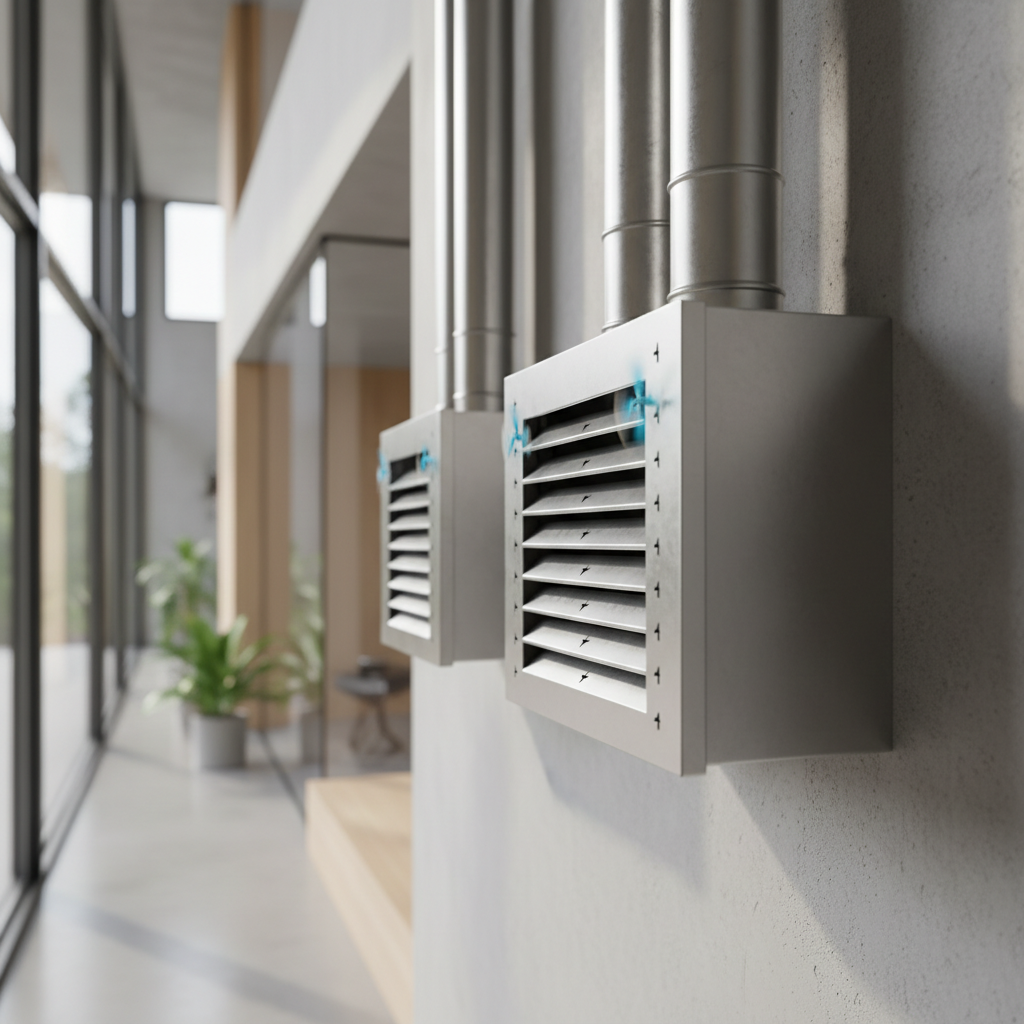
One of the most exciting trends in ventilation systems is the integration of smart technology. Smart ventilation systems are equipped with sensors that monitor air quality and adjust airflow accordingly. This not only ensures optimal air quality but also reduces energy consumption by adapting to the specific needs of the environment.
For example, a smart ventilation system can detect increased levels of carbon dioxide in a room and automatically increase the airflow to maintain a healthy environment. Such systems are also compatible with smart home devices, allowing users to control them remotely via smartphones or voice-activated assistants.
Energy Efficiency and Sustainability
As environmental awareness grows, so does the demand for energy-efficient and sustainable ventilation solutions. In London, where green initiatives are a priority, the development of systems that consume less energy while maintaining high performance is crucial. Modern ventilation systems often incorporate heat recovery technologies, which capture and reuse heat from exhaust air to warm incoming fresh air.
This not only reduces energy costs but also minimizes the environmental impact, aligning with London’s commitment to sustainability and reducing carbon emissions.
Air Filtration and Health
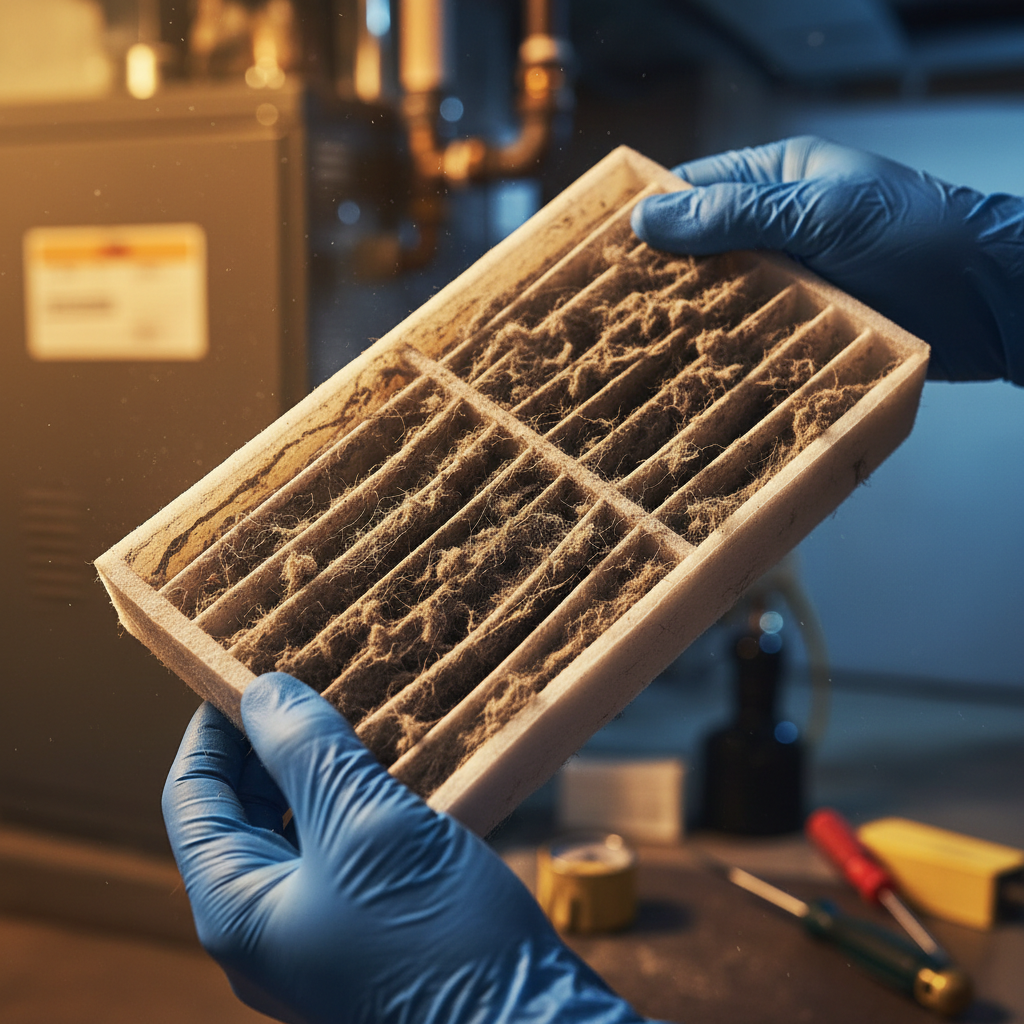
Health has become a major focus in the design of new ventilation systems. Advanced filtration technologies are now capable of removing microscopic pollutants, allergens, and even viruses from the air. These systems are particularly important in a city like London, where pollution levels can be high.
High-efficiency particulate air (HEPA) filters are commonly used in modern systems to ensure that the air inside buildings is as clean as possible. This is especially beneficial in schools, hospitals, and office buildings, where large numbers of people gather and air quality is paramount.
Integration with Building Design
Modern ventilation systems are increasingly being integrated into the overall design of buildings. By working closely with architects and designers, ventilation experts can ensure that systems are not only efficient but also aesthetically pleasing and unobtrusive.
This integration allows for the seamless incorporation of ventilation solutions that enhance the building’s architecture while providing optimal air quality. This trend reflects a broader move towards holistic building design, where every component works together to create a comfortable and sustainable environment.
The Future of Ventilation in London
Looking ahead, the future of ventilation in London is bright and filled with potential. With ongoing technological advancements and a strong focus on sustainability, the city is poised to become a leader in innovative ventilation solutions. As new systems are developed, they will continue to improve the quality of life for Londoners, ensuring cleaner, healthier air for generations to come.