Integrating Smart Home Ventilation Systems: A UK Perspective
With the rise of smart technology, integrating smart home ventilation systems has become a popular choice for many UK homeowners. These systems offer numerous benefits, from improving air quality to enhancing energy efficiency. As the importance of indoor air quality continues to grow, understanding how to effectively integrate these systems into your home is crucial.

Understanding Smart Home Ventilation
Smart home ventilation systems are designed to automatically regulate airflow, ensuring a consistent supply of fresh air while removing stale air. They can be programmed to operate based on specific conditions, such as humidity levels or air quality, providing a tailored solution for each household.
In the UK, where weather conditions can vary greatly, these systems offer a significant advantage by adjusting ventilation in response to external environmental changes. This dynamic adjustment helps maintain a comfortable indoor climate year-round.
Key Benefits
One of the primary benefits of smart ventilation systems is improved indoor air quality. By continuously monitoring air quality, these systems can reduce the presence of allergens, pollutants, and other harmful particles. This is particularly beneficial for individuals with respiratory conditions.

Another advantage is energy efficiency. Smart systems can be integrated with other home technologies, such as heating and cooling systems, to optimize energy use. This ensures that ventilation occurs only when necessary, reducing unnecessary energy consumption and lowering utility bills.
Integration with Existing Systems
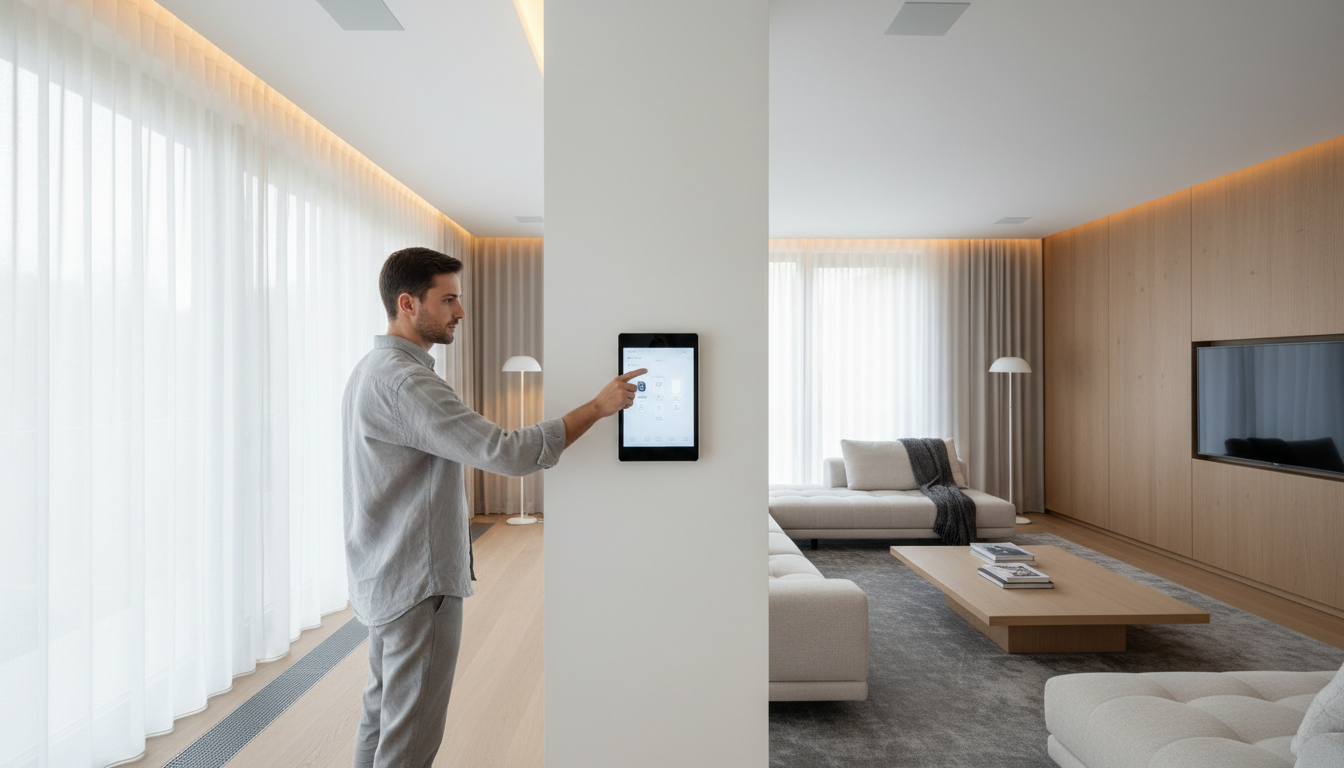
Integrating a smart ventilation system with existing home technology can seem daunting, but it is often simpler than expected. Many systems are designed to be compatible with popular smart home platforms, allowing for seamless integration with other devices.
Homeowners can often control these systems via smartphone apps, enabling remote access and customization. This flexibility allows users to adjust settings based on their lifestyle and preferences, even when they are away from home.
Challenges and Considerations
While the benefits are clear, there are challenges to consider when integrating these systems. Initial setup costs can be higher than traditional systems, and some homes may require modifications to accommodate new technology. Additionally, ongoing maintenance is essential to ensure optimal performance and longevity.
It's also important to consider the specific needs of your household and choose a system that aligns with those needs. Consulting with a professional can help determine the best solution and ensure proper installation.
The Future of Smart Ventilation
As technology continues to evolve, the future of smart home ventilation looks promising. Innovations such as AI-driven systems that learn and adapt to user behavior are on the horizon, offering even more personalized and efficient solutions.
For UK homeowners, investing in smart ventilation not only enhances comfort but also contributes to a healthier living environment. With the right system, you can enjoy the benefits of fresh air and energy savings, making your home a more sustainable and pleasant place to live.