Myths About Acoustic Louvres: What You Need to Know
Understanding Acoustic Louvres
Acoustic louvres are often misunderstood, leading to several myths about their functionality and application. These structures are crucial for noise control in various industries, yet many people are unaware of their true capabilities. This post aims to debunk some common myths and provide clarity on what acoustic louvres can really do for you.

Myth 1: Acoustic Louvres Are Ineffective
One common misconception is that acoustic louvres are not effective in reducing noise. In reality, they are specifically designed to minimize sound transmission while allowing airflow. These louvres use advanced materials and designs to absorb and dampen sound effectively. When properly installed, they can significantly reduce noise levels, making them a valuable asset in noisy environments.
Myth 2: They Are Only for Industrial Use
Another myth is that acoustic louvres are only suitable for industrial settings. While they are indeed popular in factories and power plants, their application is not limited to these areas. Acoustic louvres are also used in commercial buildings, hospitals, and even residential areas to control noise pollution. Their versatility makes them a practical solution for various noise control challenges.

Myth 3: Installation Is Complicated and Expensive
Many assume that installing acoustic louvres is a complicated and costly process. However, modern designs have made installation more straightforward and cost-effective. With a range of customizable options, businesses and homeowners can find solutions that fit their budget and specific needs. Proper consultation and planning can further streamline the installation process.
The Benefits of Using Acoustic Louvres
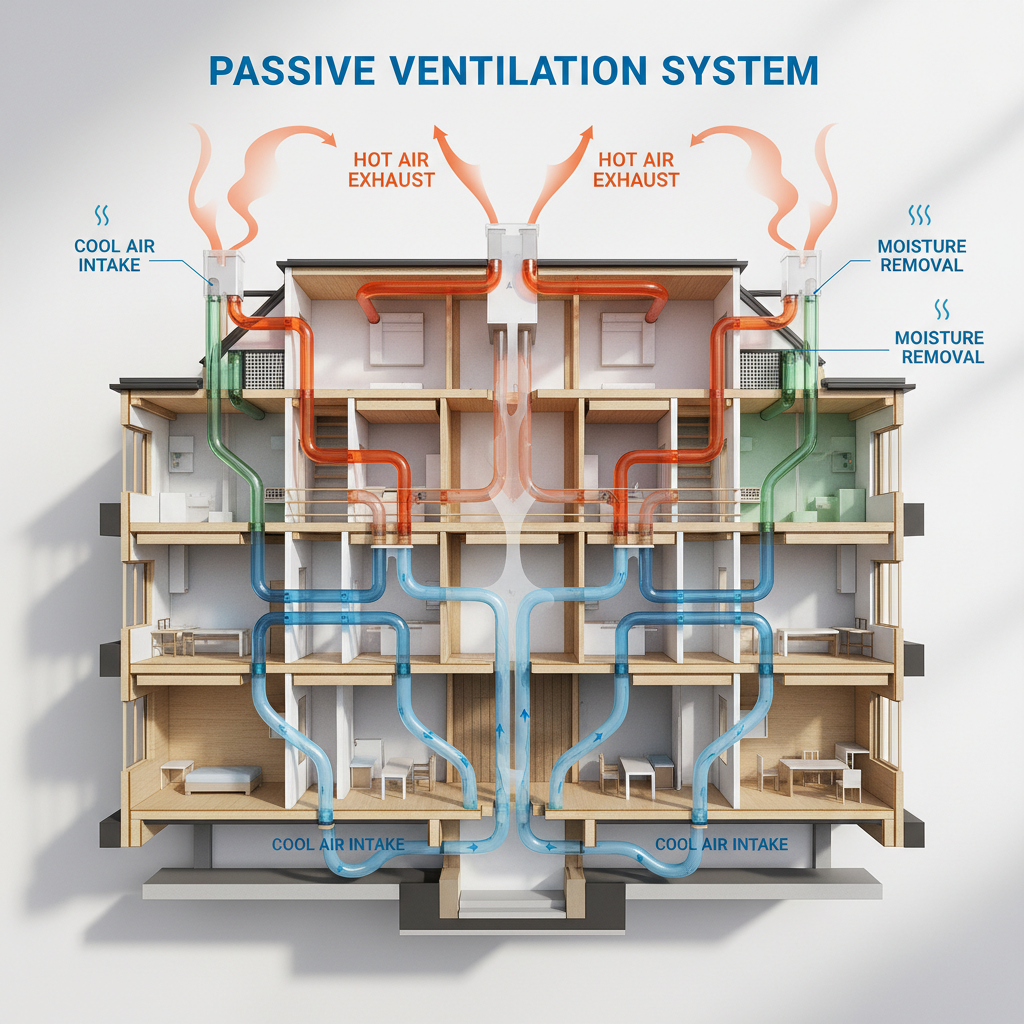
Besides debunking myths, it's essential to highlight the benefits of using acoustic louvres. They not only reduce noise but also improve air quality by allowing proper ventilation. This dual functionality makes them a valuable addition to any structure where noise control and air circulation are priorities.
Factors to Consider
When choosing acoustic louvres, it's crucial to consider factors such as material, size, and design. Consulting with experts can help determine the best solution for your specific needs. By understanding these factors, you can maximize the effectiveness of your acoustic louvres.
Conclusion
Acoustic louvres play a significant role in noise control, yet myths often cloud their true potential. By understanding their benefits and capabilities, you can make informed decisions that enhance your environment's comfort and functionality. Whether for industrial, commercial, or residential use, acoustic louvres offer a versatile and effective solution for managing noise pollution.