Sustainable Building Materials in London: How Louvres Contribute to Eco-Friendly Architecture
The Rise of Sustainable Building Materials in London
As the architectural landscape of London evolves, there's an increasing emphasis on sustainability. The city is at the forefront of adopting eco-friendly building practices, integrating materials and designs that reduce environmental impact. One standout feature in this green revolution is the use of louvres, which are transforming the way buildings interact with their environment.
Louvres, with their sleek design and functional benefits, are becoming a crucial element in sustainable architecture. They not only enhance aesthetic appeal but also contribute significantly to energy efficiency. This dual benefit makes them a popular choice among architects and builders aiming for eco-friendly solutions.
Understanding Louvres and Their Functionality
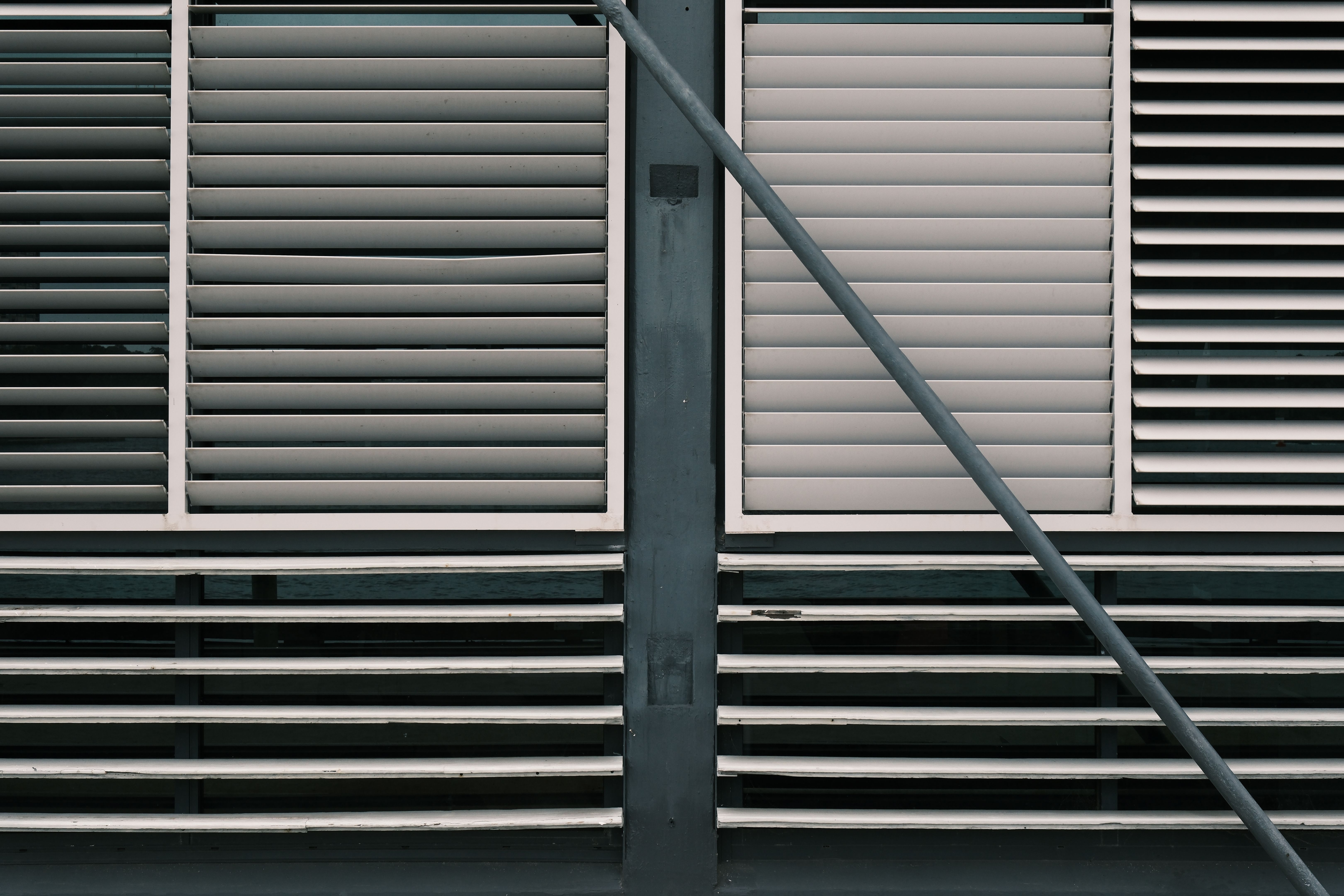
Louvres are horizontal slats designed to regulate light and air flow. They can be fixed or adjustable, allowing for precise control over the building's internal climate. This adaptability is particularly valuable in London's variable weather conditions, where sunlight can be both a blessing and a burden.
The ability to control sunlight penetration reduces the need for artificial lighting and air conditioning, leading to lower energy consumption. This not only cuts down on electricity bills but also decreases the carbon footprint of buildings, aligning with global sustainability goals.
The Environmental Benefits of Louvres
Incorporating louvres into building designs offers several environmental advantages. Here are some of the key benefits:
- Energy Efficiency: By optimizing natural light and air flow, louvres reduce the reliance on artificial climate control systems.
- Improved Indoor Air Quality: Louvres facilitate natural ventilation, ensuring a steady supply of fresh air and reducing the need for mechanical ventilation.
- Reduction of Heat Gain: Properly designed louvres minimize heat absorption, keeping indoor spaces cooler during the summer months.
These benefits make louvres a practical solution for achieving sustainability in urban environments, particularly in a bustling city like London.
Case Studies: Louvres in London Buildings
Several iconic buildings in London have successfully integrated louvres into their design. These structures not only stand out for their aesthetic appeal but also for their commitment to green architecture.
For instance, the innovative design of a prominent office building in the city incorporates adjustable louvres that enhance energy efficiency while offering panoramic views of the skyline. Such projects set a benchmark for future developments, showcasing how functionality and sustainability can coexist.
The Future of Louvres in Sustainable Architecture
As technology advances, the potential for louvres in sustainable architecture continues to grow. Innovations such as automated louvre systems, which adjust based on real-time weather data, are leading the way in smart building solutions.
These advancements promise to make louvres an even more integral part of environmentally conscious building practices. As more developers and architects embrace these technologies, London is poised to become a leader in sustainable urban design.

In conclusion, louvres represent a pivotal component in the movement towards sustainable architecture in London. By embracing these versatile elements, the city can continue to build a future that prioritizes environmental responsibility without compromising on design and functionality.