Understanding London’s Air Quality Regulations for Ventilation Installations
Introduction to London's Air Quality Regulations
London is a bustling metropolis known for its rich history and vibrant culture. However, like many major cities, it faces significant challenges related to air quality. To combat these issues, the city has implemented stringent air quality regulations, particularly concerning ventilation installations. These regulations are designed to ensure that buildings provide safe and healthy indoor environments for all occupants.

Why Air Quality Regulations Matter
The quality of air in London affects both the environment and the health of its residents. Poor air quality can lead to respiratory problems, cardiovascular diseases, and other health issues. By enforcing strict air quality regulations, London aims to reduce pollutants and improve the overall quality of life for its citizens.
These regulations are not only essential for public health but also play a crucial role in achieving the city’s sustainability goals. They are integral to reducing carbon emissions and promoting energy efficiency in buildings.
Key Elements of Ventilation Regulations
London’s ventilation regulations focus on ensuring that indoor spaces have adequate airflow and that harmful pollutants are minimized. Key elements include:
- Minimum Ventilation Rates: Establishing standards for the amount of fresh air that must be cycled through a building.
- Air Filtration: Requiring systems to filter out particulates and pollutants effectively.
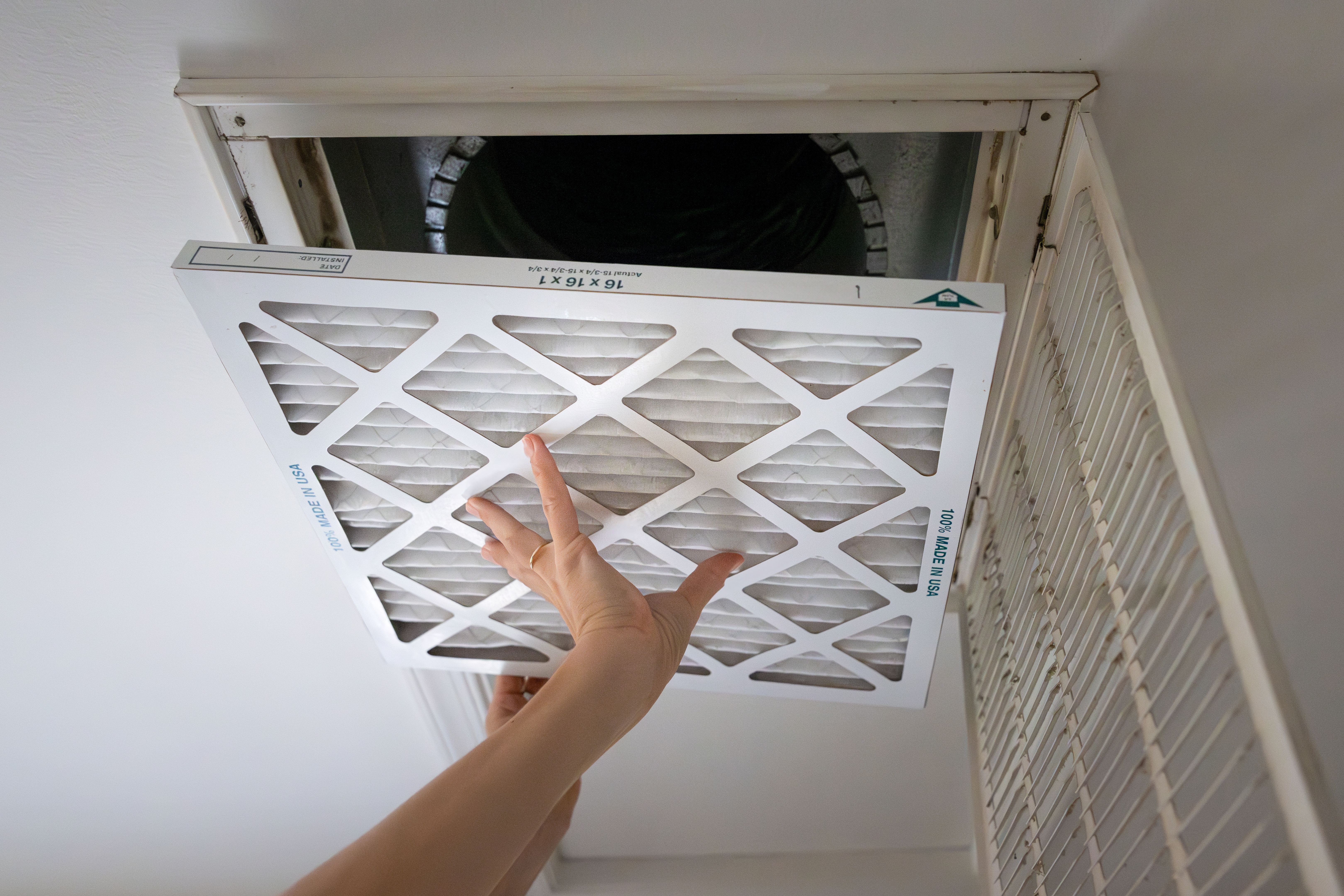
- Regular Maintenance: Mandating routine checks and maintenance of ventilation systems to ensure ongoing compliance.
Compliance and Implementation
Building owners and managers are responsible for ensuring compliance with these regulations. This includes installing approved ventilation systems and conducting regular inspections to verify their effectiveness. Non-compliance can result in penalties and increased scrutiny from regulatory bodies.
To assist with implementation, the city provides resources and guidelines that outline best practices for maintaining and upgrading ventilation systems. These resources are invaluable for businesses looking to adhere to regulations while optimizing their building’s energy efficiency.
Impact on the Construction Industry
The emphasis on air quality has significantly impacted London’s construction industry. Architects and builders must now consider ventilation systems from the very beginning of the design process. This shift encourages innovation and the integration of sustainable building practices.
Developers are increasingly opting for smart ventilation solutions that not only comply with regulations but also enhance the energy performance of buildings. These advancements contribute to a healthier urban environment and align with London's broader environmental objectives.

The Role of Technology
Technology plays a pivotal role in meeting London’s air quality standards. Advanced monitoring systems can track air quality in real-time, allowing for adjustments to ventilation systems as needed. This technological integration ensures that buildings remain compliant and that occupants enjoy optimal air quality.
Moreover, data analytics helps identify trends and potential issues, enabling proactive measures to be taken before problems arise. This predictive approach is a game-changer in maintaining regulatory compliance and promoting public health.
Conclusion
Understanding London’s air quality regulations is crucial for anyone involved in the design, construction, or management of buildings in the city. These regulations are more than just legal requirements; they are part of a broader effort to create a sustainable and healthy urban environment. By prioritizing air quality, London continues to pave the way for a cleaner, greener future.