Understanding the Benefits of Screening Louvres for Privacy and Aesthetics
What Are Screening Louvres?
Screening louvres are architectural elements designed to offer both functionality and aesthetics. They consist of horizontal or vertical slats that can be adjusted to control light, airflow, and visibility. These versatile structures are widely used in both residential and commercial properties to enhance privacy and improve the overall appearance of a building.
Understanding the purpose and benefits of screening louvres can help property owners make informed decisions when looking to improve their spaces. Whether you're aiming for a modern look or seeking practical solutions for privacy, screening louvres offer a range of advantages that can be tailored to meet specific needs.
Privacy Enhancement
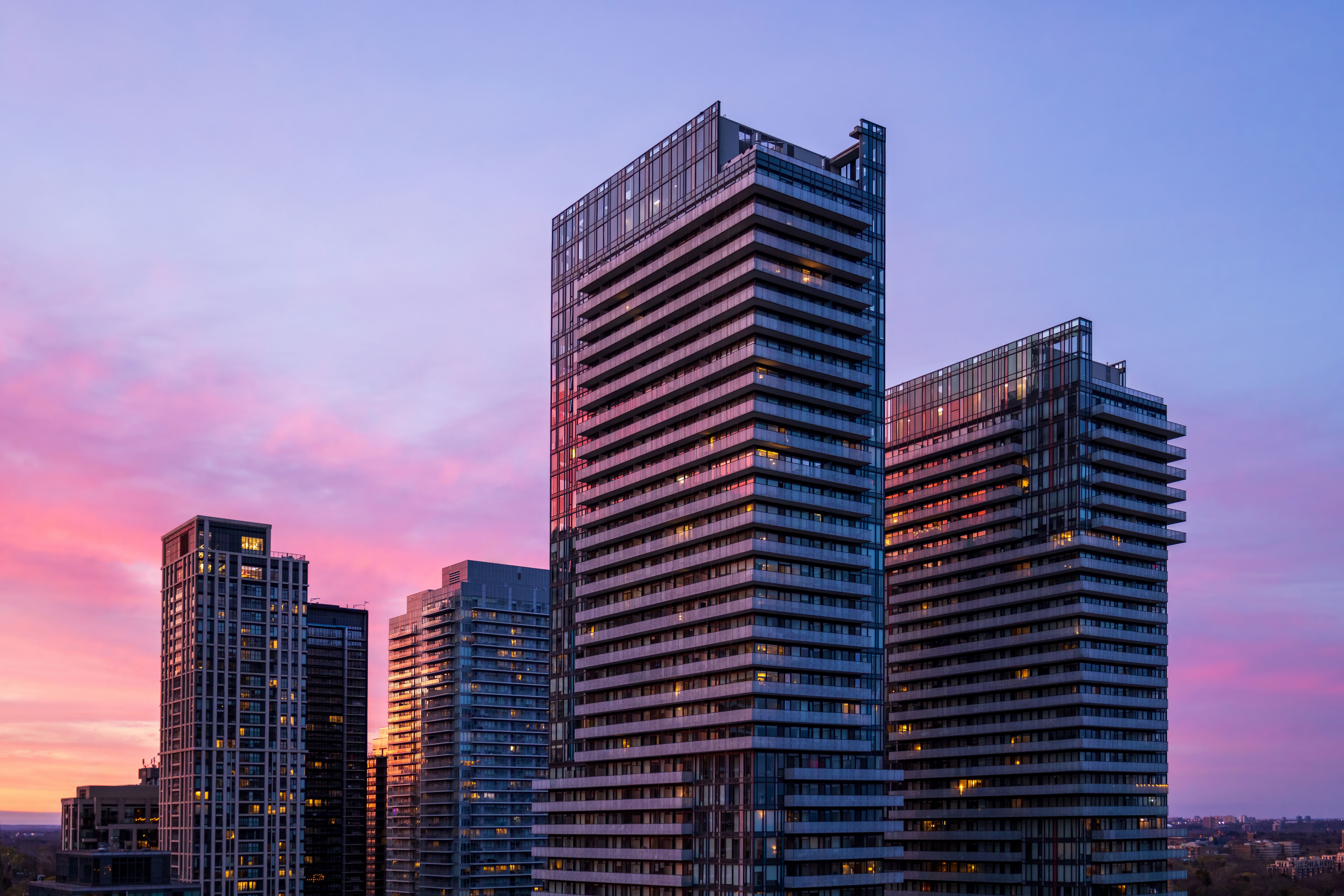
One of the primary benefits of screening louvres is their ability to enhance privacy. By strategically placing these structures, you can create secluded spaces without completely blocking out natural light. This feature is particularly beneficial for urban settings where buildings are often in close proximity to one another.
Louvres can be adjusted to limit visibility from the outside while still allowing occupants to enjoy views and sunlight. This adaptability makes them an ideal choice for maintaining privacy in both residential homes and office buildings.
Adjustable Designs
The adjustable nature of screening louvres allows for personalized privacy settings. Depending on the material and design, louvres can be manually or automatically adjusted to achieve the desired level of seclusion. This flexibility is one of the reasons they are so popular in modern architecture.

Aesthetic Appeal
Beyond functionality, screening louvres add a sleek and contemporary look to any building. They can be customized in various materials, such as metal, wood, or composite, to complement the architectural style of a property. This versatility ensures that louvres can enhance the visual appeal of both traditional and modern structures.
Architects and designers often use screening louvres to create striking facades or to add texture and depth to plain surfaces. The addition of louvres can transform a building's appearance, making it more attractive and inviting.
Material Options
The choice of material for screening louvres plays a crucial role in their aesthetic and functional performance. Aluminum louvres, for example, are lightweight and durable, offering a sleek finish. Wooden louvres, on the other hand, provide a warm and natural look. Each material offers unique benefits and can be chosen based on the specific needs of the project.

Environmental Benefits
Screening louvres also contribute to energy efficiency by regulating sunlight and airflow. By controlling the amount of sunlight entering a building, louvres can help reduce reliance on artificial lighting and air conditioning, leading to energy savings. This makes them an eco-friendly option for sustainable building designs.
Additionally, the use of louvres can improve indoor air quality by facilitating natural ventilation. This reduces the need for mechanical ventilation systems and promotes a healthier living or working environment.
Cost-Effective Solutions
While the initial investment in screening louvres might seem significant, the long-term savings on energy costs and potential increase in property value make them a cost-effective solution. Their durability and low maintenance requirements further add to their cost efficiency.
In conclusion, screening louvres offer a perfect blend of privacy, aesthetics, and environmental benefits. Their adaptability and wide range of design options make them a valuable addition to any building, enhancing both functionality and visual appeal.